 By
By Using VIN Checks to Protect Yourself When Buying Used Cars
Buying a used car can be a smart financial move, but it also comes with risks that aren’t always obvious at first glance. A shiny exterior and smooth test drive don’t guarantee the vehicle’s history is clean. This is where VIN checks become one of the most powerful tools for protecting yourself from costly mistakes and potential fraud.
A Vehicle Identification Number (VIN) acts like a car’s fingerprint. Learning how to use it effectively can help you make confident, informed decisions before handing over your money.
What Is a VIN and Why It Matters
A VIN (Vehicle Identification Number) is a unique 17-character code assigned to every vehicle. It contains critical information about the car’s origin, specifications, and history.
The VIN can reveal:
-
Manufacturer and model details
-
Model year and assembly plant
-
Engine type and body style
-
Vehicle’s unique serial number
Because the VIN is standardized and difficult to alter without detection, it serves as a reliable key to uncovering a vehicle’s past.
Where to Find the VIN on a Used Car
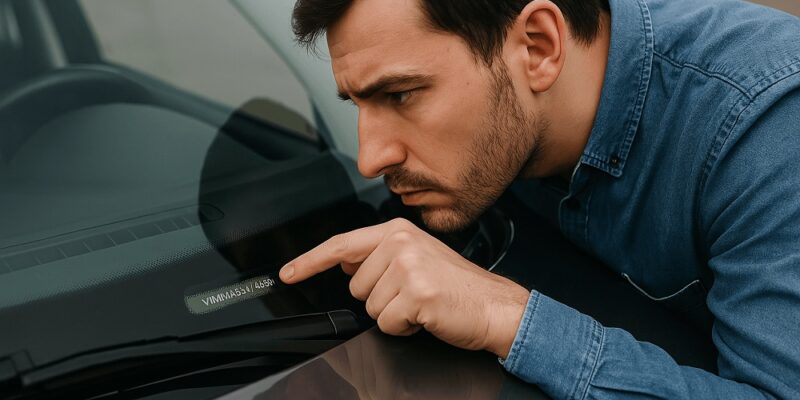
Before running a VIN check, you need to locate the correct number. Always verify that the VIN matches across multiple locations.
Common places to find it include:
-
Dashboard near the windshield on the driver’s side
-
Driver-side door frame or door jamb sticker
-
Engine bay stamped on the chassis
-
Vehicle title, registration, or insurance documents
If the VIN appears tampered with or inconsistent, that’s a serious red flag.
What a VIN Check Can Reveal
A VIN check compiles data from multiple records to provide a clearer picture of the vehicle’s history. This insight goes far beyond what a seller might disclose.
Key information you can uncover:
-
Accident history, including major collisions
-
Salvage, rebuilt, or flood titles
-
Odometer readings and potential rollback issues
-
Theft records and recovery status
-
Previous ownership changes
-
Recall information that may still be unresolved
This data helps you avoid vehicles with hidden damage or legal complications.
How VIN Checks Protect You From Common Used Car Scams
Used car scams are more common than many buyers realize. A VIN check acts as a first line of defense.
It helps protect you from:
-
Title washing, where a damaged car’s title is cleaned in another state
-
Odometer fraud, making high-mileage vehicles appear low-mileage
-
Undisclosed flood or accident damage
-
Stolen vehicles being resold illegally
By identifying these issues early, you can walk away before making a costly mistake.
When You Should Run a VIN Check
Timing matters. Running a VIN check at the right moment can save time and money.
You should perform a VIN check:
-
Before negotiating the price, to gain leverage
-
Before paying any deposit, even a small one
-
Before signing paperwork, no matter how trustworthy the seller seems
Even vehicles purchased from dealers benefit from an independent VIN review.
VIN Checks vs. Mechanical Inspections
A VIN check and a mechanical inspection serve different purposes, and neither replaces the other.
VIN checks focus on history, while inspections focus on current condition.
For the best protection:
-
Use a VIN check to uncover past issues
-
Get a professional inspection to evaluate present mechanical health
Together, they provide a more complete picture of the vehicle’s true value and safety.
How VIN Checks Help With Price Negotiation
Information is power during negotiations. If a VIN check reveals prior accidents or multiple owners, you can use that knowledge to justify a lower offer.
VIN data can:
-
Support price reductions for accident history
-
Help you avoid overpaying for a car with hidden depreciation
-
Confirm when a higher price is justified for a clean history
In many cases, the cost of a VIN check pays for itself through smarter negotiations.
Final Thoughts
Using VIN checks when buying a used car isn’t just a smart move—it’s essential. This simple step can protect you from fraud, uncover hidden damage, and give you confidence in your purchase decision. While no single tool guarantees perfection, a VIN check dramatically reduces risk and puts control back in your hands.
A few minutes of research can save you years of regret.
Frequently Asked Questions
1. Can a VIN check tell me if a car was in a minor accident?
Yes, many VIN reports include accident records, though very minor incidents that weren’t reported to insurers may not appear.
2. Is it safe to share a VIN publicly?
Generally, yes. A VIN alone doesn’t provide personal information, but it’s best to share it only when necessary.
3. Do older vehicles still have reliable VIN history reports?
Older vehicles may have less detailed digital records, but VIN checks can still reveal title issues and major events.
4. Can a VIN check confirm if recalls were fixed?
Some reports indicate open recalls, but you may need to verify repairs with service records or a dealership.
5. What should I do if the VIN report shows conflicting information?
Conflicting data is a warning sign. Ask the seller for clarification or consider walking away.
6. Are VIN checks useful when buying from a dealership?
Absolutely. Dealers can make mistakes or omit details, and an independent VIN check adds extra protection.
7. Can two cars ever share the same VIN?
No. Each VIN is unique. Duplicate VINs suggest serious fraud or clerical errors and should be avoided immediately.