 By
By Psychological Factors Influencing Consumer Choices When Buying Vehicles
Buying a vehicle is rarely a purely rational decision. While price, fuel efficiency, and specifications matter, psychological influences often play a decisive role in shaping consumer preferences and final purchase choices. Vehicles are deeply tied to identity, emotions, and social perception, making the automotive market one of the most psychologically driven industries.
Understanding these factors helps consumers make more informed decisions and allows manufacturers and dealers to align their strategies with real human behavior rather than assumptions.
The Role of Emotions in Vehicle Purchases
Emotions strongly influence how buyers perceive vehicles, often overriding logical comparisons.
Emotional Triggers That Drive Decisions
-
Excitement and pleasure associated with driving experience
-
Pride of ownership, especially for premium or performance vehicles
-
Fear and anxiety, particularly regarding safety and reliability
-
Nostalgia, when a vehicle reminds buyers of past experiences
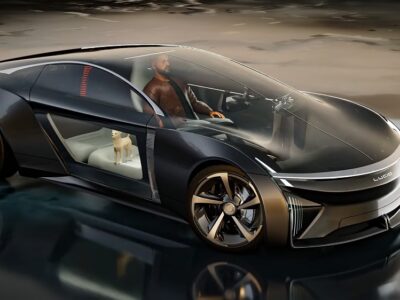
A sleek design or powerful engine can evoke feelings that create instant attachment, sometimes leading buyers to justify the purchase afterward with logical reasoning.
Self-Identity and Personal Expression
Vehicles often serve as extensions of personal identity.
How Identity Shapes Vehicle Choice
Consumers frequently choose vehicles that reflect:
-
Lifestyle (urban, adventurous, family-oriented)
-
Values (eco-consciousness, innovation, tradition)
-
Personality traits (boldness, practicality, status-seeking)
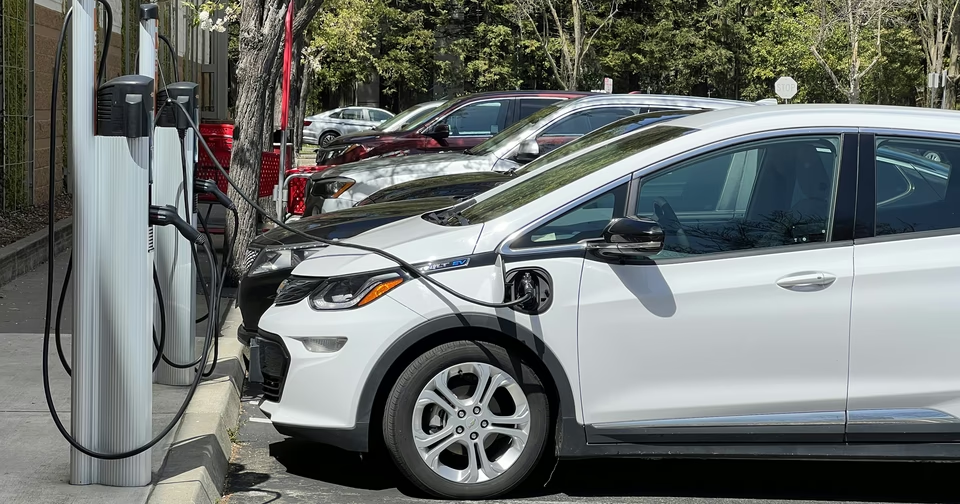
For example, environmentally conscious buyers may gravitate toward electric or hybrid vehicles, not just for efficiency but as a statement of personal values.
Social Influence and Peer Perception
Humans are inherently social, and vehicle purchases are rarely immune to external opinions.
Key Social Influences
-
Recommendations from family and friends
-
Reviews and testimonials from online communities
-
Perceived social status associated with certain vehicle types
Vehicles can act as social signals, subtly communicating wealth, responsibility, or individuality. This is why brand reputation plays such a critical psychological role.
Brand Perception and Trust
Brand psychology significantly affects how consumers evaluate vehicles before even seeing them in person.
Psychological Impact of Strong Brands
-
Familiarity reduces perceived risk
-
Consistency builds long-term trust
-
Brand storytelling creates emotional connection
Consumers often associate established brands with reliability and resale value, even when objective data between competitors is similar.
Risk Perception and Safety Concerns
Buying a vehicle involves a high financial and personal safety commitment.
Psychological Factors Related to Risk
-
Fear of mechanical failure
-
Concerns about accident safety
-
Anxiety over maintenance costs
Vehicles marketed with advanced safety features and warranties help reduce mental stress, making buyers feel secure and confident in their choice.
Cognitive Biases in Vehicle Decision-Making
Several subconscious biases shape how consumers process information during the buying process.
Common Biases Affecting Buyers
-
Confirmation bias: Seeking information that supports an initial preference
-
Anchoring bias: Relying heavily on the first price seen
-
Loss aversion: Avoiding options perceived as risky or unfamiliar
These biases explain why buyers may overlook better alternatives once emotionally invested in a particular model.
Pricing Psychology and Perceived Value
Price is not just a number; it is a psychological signal.
How Pricing Influences Perception
-
Higher prices often imply higher quality
-
Discounts create urgency through fear of missing out
-
Flexible financing reduces perceived financial burden
Consumers may prefer slightly higher-priced vehicles if they feel the value, prestige, or emotional reward justifies the cost.
The Influence of Marketing and Advertising
Automotive advertising is carefully designed to appeal to emotions rather than logic.
Psychological Techniques Used in Marketing
-
Storytelling that connects vehicles to freedom and success
-
Visual imagery emphasizing power, safety, or luxury
-
Messaging that reinforces aspirational lifestyles
Effective campaigns align the vehicle with personal dreams rather than technical specifications alone.
Conclusion
Vehicle purchasing decisions are shaped by a complex interplay of emotions, identity, social influence, and cognitive biases. While practical considerations remain important, psychological factors often determine which vehicle feels “right.” Recognizing these influences empowers consumers to make more balanced choices and helps industry professionals better understand buyer behavior.
Frequently Asked Questions (FAQs)
1. Why do emotions play such a strong role in vehicle purchasing?
Vehicles are high-involvement products linked to personal identity, lifestyle, and safety, making emotional responses inevitable.
2. How does social influence affect car-buying decisions?
Opinions from peers and online communities help validate choices and reduce perceived risk.
3. Can branding really influence vehicle reliability perceptions?
Yes, strong brands create trust through familiarity, even when objective reliability data is similar.
4. What psychological biases most commonly affect car buyers?
Confirmation bias, anchoring bias, and loss aversion are among the most influential.
5. Why do consumers associate higher prices with better vehicles?
Price often serves as a shortcut for quality assessment, especially when technical knowledge is limited.
6. How does marketing shape consumer vehicle preferences?
Marketing uses emotional storytelling and aspirational imagery to create desire beyond functional needs.
7. Can understanding psychology help consumers make better choices?
Absolutely. Awareness of psychological influences enables buyers to balance emotion with logic and avoid impulsive decisions.