 By
By Vehicles Reimagined: Mobility, Meaning, and the Modern World
Vehicles have long transcended their initial purpose as machines of simple conveyance. In today’s interconnected world, they are catalysts of independence, architectural elements of cities, and cultural markers that quietly narrate the ambitions and rhythms of a society on the move. Through constant innovation, vehicles have become living testaments to how humanity adapts, connects, and aspires for more. This in-depth reflection delves into the varied roles vehicles play—charting their evolution, societal impact, and the paradox of personal freedom within a shared global landscape.
The Evolution of Mobility: From Wheels to Wonders
Origins and Transformations
-
Ancient Beginnings: The introduction of the basic wheel marked one of civilization’s most profound leaps. Carts, chariots, and boats reshaped commerce, war, and communication, laying the groundwork for modern society.
-
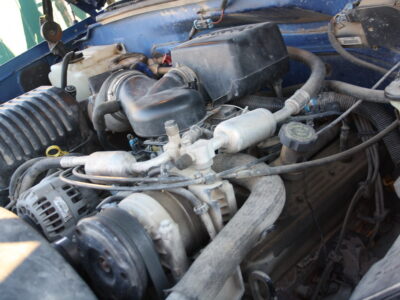
Steam and Spark: The Industrial Revolution brought forth steam trains and the combustion engine, shrinking continents and redrawing maps with rails and roads.
-
Modern Marvels: Today’s landscape is populated with electric cars, high-speed trains, drones, and soon, autonomous pods—each redefining what it means to move and interact.
The Expanding Vehicle Spectrum
Modern vehicles extend far beyond the automobile:
-
Personal Mobility: Cars, motorcycles, scooters, e-bikes, and skateboards reflect changing preferences, from urban minimalism to cross-country adventure.
-
Commercial and Public Solutions: Trucks, ships, aircraft, buses, and ride-hailing services tie together economies and communities, moving people and goods at unprecedented scales.
-
Frontiers of Mobility: Drones, hovercraft, and flying taxis signal a near future where traditional limitations of infrastructure and terrain begin to dissolve.
Vehicles and the Shapes of Society
Shaping Urban and Rural Realities
-
City Choreography: City planning is inextricable from vehicle movement. Parking lots, highways, transit hubs, and pedestrian zones are all responses to how vehicles structure shared space.
-
Rural Lifelines: In isolation or on the fringes, vehicles provide lifelines for food, work, emergency services, and social connection, underpinning both resilience and economic opportunity.
Catalysts of Memory and Identity
-
Milestones: Driver’s licenses, first cars, family station wagons, and road trips are firmly woven into the tapestry of personal memory.
-
Status and Belonging: Choices in make, model, or even color often serve as silent indicators of lifestyle, ambition, or cultural affiliation.
-
Cultural Icons: From classic convertibles in cinema to the reliability of a yellow cab, vehicles permeate media, fashion, and folklore.
Engineering the Future: Design, Technology, and Sustainability
Design Thinking for New Realities
-
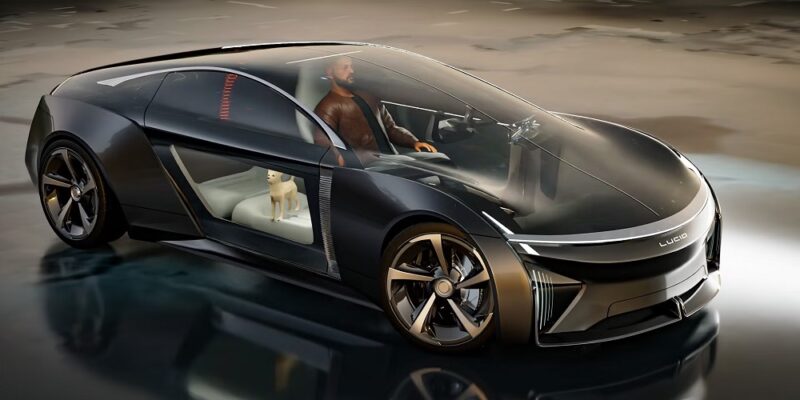
Exterior Form: Today’s vehicles fuse aesthetics with efficiency—sleek lines, advanced materials, and adaptive lighting improve both performance and curb appeal.
-
Interior Innovation: Cabins now host digital assistants, connectivity suites, modular seating, and sustainable fabrics that prioritize health and comfort.
-
Versatility and Modularity: The rise of customizable platforms, from EV skateboards to shared-use fleets, signals a move away from one-size-fits-all mobility.
Technological Advancements
-
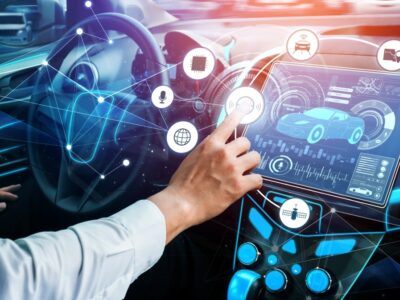
Connectivity: Vehicles act as mobile digital nodes—integrating real-time navigation, internet access, and ecosystem syncing with smartphones and home networks.
-
Safety and Autonomy: Adaptive cruise, lane-keep assist, emergency braking, and semi-or fully autonomous driving capability are rapidly becoming the norm.
-
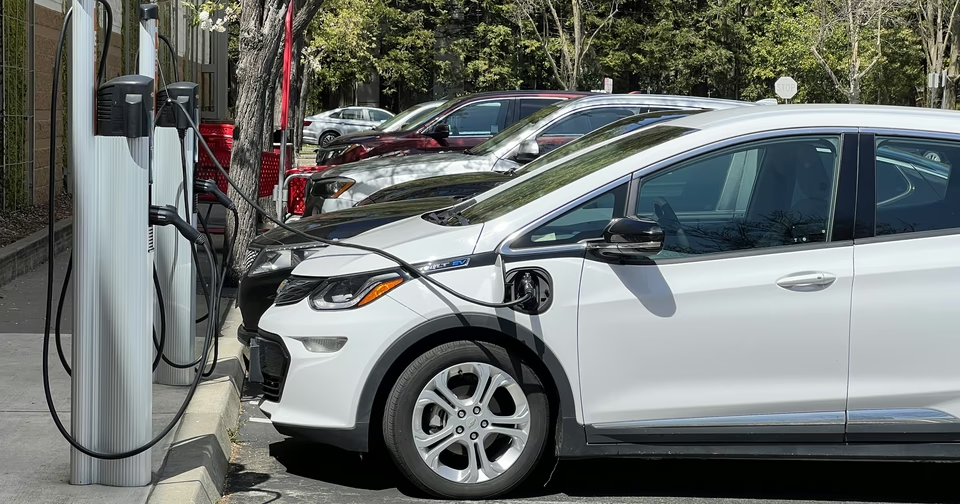
Electrification: Electric and hybrid drivetrains not only lower emissions but introduce new benchmarks for quietness, torque, and reliability.
The Sustainability Imperative
-
Circular Economy: Manufacturers now embed recyclability, renewable materials, and ethical sourcing into their design philosophy.
-
Alternative Ownership Models: Car-sharing, subscription services, and micromobility offerings reduce resource consumption, congestion, and environmental footprints.
-
Urban Greening: Policies that promote EV infrastructure, priority lanes for buses and bikes, and low-emission zones reflect a shift toward healthier cities.
Vehicles and the Human Experience
Daily Rituals and Relationships
-
Sanctuaries on Wheels: Vehicles serve as mobile offices, conversation spaces, and even moments of solitude in hectic lives.
-
Agents of Aid: In crises, vehicles morph into ambulances, supply trucks, or evacuation shuttles—saving lives and delivering hope.
-
Platforms for Reflection or Joy: The open road still holds romance, fueling exploration, creativity, and a sense of timeless wonder.
The Psychological Dimension
-
Freedom versus Community: Vehicles offer escape and privacy, yet each journey is practiced within a complex web of shared responsibility and collective etiquette.
-
Stress or Solace: Traffic, maintenance, and cost can bring pressure; conversely, a well-planned drive, the hum of an engine, or a familiar seat can be quietly restorative.
Navigating the Marketplace: Making Informed Choices
| Vehicle Type | Primary Benefit | Key Consideration |
|---|---|---|
| New | Latest tech, full warranty, zero miles | Depreciation, higher price |
| Used | Value, slower depreciation | Diligence in checks, history |
| Electric/Hybrid | Sustainability, lower running costs | Charging accessibility, upfront cost |
| Shared Services | Flexibility, no ownership burdens | Availability, less personalization |
Selecting the right vehicle involves reflecting on daily routines, aspirations, budget, environmental goals, and anticipated change.
Looking Forward: Future Roads
-
Autonomous Frontiers: Self-driving cars, drone deliveries, and AI traffic management may soon redefine what it means to travel or own a vehicle.
-
Inclusive Design: Vehicles of the future must serve all—integrating universal accessibility, adaptive controls, and customizable experiences.
-
Integration with Urban Ecosystems: Mobility will flow across platforms, blending seamlessly with home, work, and leisure in cities designed around shared, efficient movement.
Conclusion: Vehicles as Living Mirrors of Aspiration
To engage with vehicles—whether as owner, passenger, or designer—is to participate in an ever-evolving story of challenge, ingenuity, and hope. Each machine on the street or in the sky reflects decisions about how we want to live, move, and connect. The vehicles of tomorrow will be not just smarter or cleaner, but ever more attuned to the worlds—intimate and global—they inhabit. As we journey forward, let us steer with intention and gratitude, honoring the role of vehicles not just as conveniences, but as quiet partners in the ongoing adventure of progress and possibility.