 By
By Vehicles in Perspective: Engines of Change, Culture, and Connection
The vehicle, in all its evolving forms, is more than a utilitarian marvel—it is an emblem of progress, adaptability, and collective aspiration. As society quickens its pace and intertwines technology with daily rhythms, vehicles command a central role not only in global infrastructure but also in the personal and emotional landscapes of modern life. This article invites a thoughtful consideration of vehicles—a reflection on their diversity, their impact on culture, and their promise for a sustainable tomorrow.
A Moving Tapestry: The History and Progression of Vehicles
From Humble Beginnings to Unprecedented Achievement
-
Origins of Movement: The journey begins with the wheel, a simple innovation that reshaped trade and travel, giving rise to horse-drawn carts, carriages, and the first semblances of roadways.
-
Industrial Marvels: The 19th and 20th centuries saw the rise of steam locomotives, the combustion engine, and the widespread adoption of automobiles—each revolutionizing the meaning of distance and accessibility.
-
Today’s Renaissance: Vehicles now bridge terrestrial, aerial, and aquatic domains, embodying the values of efficiency, style, and ecological awareness.
Vehicles Unbound: A Spectrum of Possibility
Vehicles are no longer limited by conventional definitions. Today, they encompass:
-
Personal Transport: Sedans, SUVs, motorcycles, electric bikes, and compact city cars, each shaped by personal taste and practical need.
-
Collective Mobility: Buses, trams, ride-shares, and light rail systems stitch together communities and fuel urban vibrancy.
-
Commercial Titans: Trucks, delivery vans, and high-speed freight trains underpin local and global economies, ensuring goods and essentials reach their destination.
-
Specialized Innovation: From fire engines and ambulances to drones and air taxis, specialty vehicles provide solutions for safety, logistics, and frontier exploration.
Design and Desire: The Artistry Behind the Machine
Beyond Utility to Inspiration
-
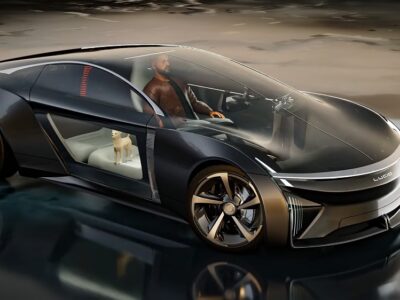
Aesthetic Significance: Form embraces function as designers sculpt exteriors that please the eye while slicing through the wind, and interiors that balance ergonomic comfort with intuitive control.
-
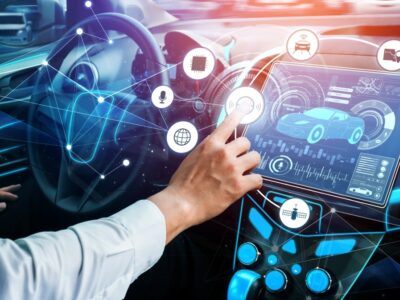
Technological Intimacy: Infotainment systems, adaptive lighting, and climate control transform cabins into sanctuaries—a blend of luxury and connectivity.
-
Performance and Personalization: Adaptive suspensions, customizable drive modes, and modular possibilities bring personality and precision into every mile.
The Digital and Electric Shift
-
Seamless Integration: Modern vehicles are increasingly extensions of our digital lives—integrating voice assistants, navigation, and safety alerts.
-
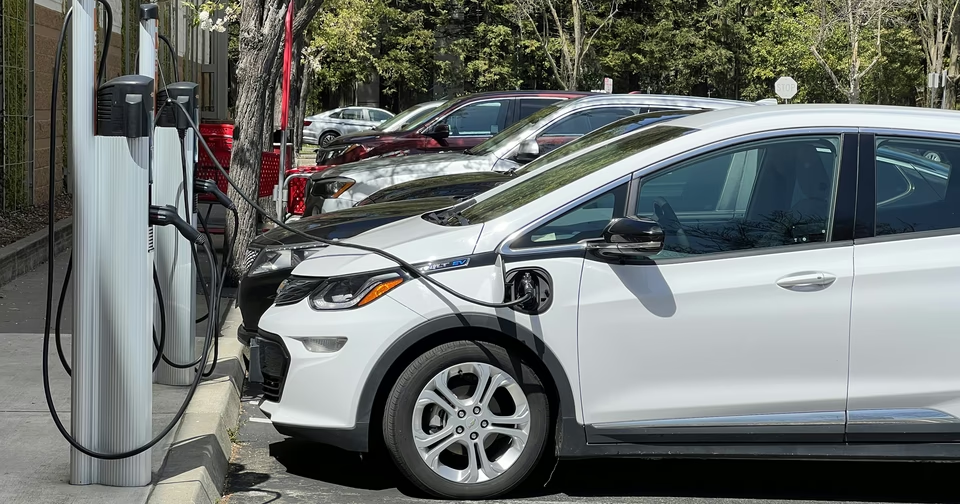
Green Evolution: Battery electric vehicles (EVs), hybrids, and hydrogen-powered models are forging new definitions of performance and responsibility, advancing toward carbon neutrality.
Vehicles in Society: Shaping Lives and Identity
Urban Choreography and Rural Lifelines
-
City Life: Vehicles determine the rhythm and design of cities—be it through parking structures, traffic patterns, or the accessibility of goods and services.
-
Country Roads: In rural areas, vehicles are bridges to opportunity, healthcare, and connection, turning isolation into inclusion.
Icons of Culture and Memory
-
Vehicles often serve as markers of life’s milestones—first drives, road trips with friends, or the quiet pride in a restored family heirloom.
-
Icons such as the muscle car, the classic convertible, and the beloved family van are woven into music, movies, and myth.
The Economic Pulse
-
Industrial Backbone: Automotive manufacturing and logistics provide millions of jobs and feed supply chains worldwide.
-
Innovation Catalyst: Advances in vehicle technology foster cross-industry transformation, influencing robotics, energy storage, and artificial intelligence.
Navigating the Road to Sustainability
A New Ethos for a Changing World
-
Electrification and Efficiency: Global adoption of EVs and hybrids reduces emissions, noise, and reliance on finite resources.
-
Shared Mobility: Carpooling, ridesharing, and on-demand fleets help reduce urban congestion and environmental impact.
-
Circular Practices: Remanufactured parts, recycled materials, and programs for end-of-life vehicles reflect a stewardship mindset.
Responsible Choices: The Modern Vehicle Buyer
| Category | Upfront Cost | Running Cost | Sustainability | Tech Features | Customization |
|---|---|---|---|---|---|
| New | Highest | Predictable | Latest options | Comprehensive | Full |
| Used | Moderate | Varies | Extends use | Depends on year | Limited |
| Electric/Hybrid | Mid-High | Low | Leading edge | Advanced | Increasing |
| Shared | Minimal | Pay-per-use | Efficient fleet | Varies | None |
Note: Choosing wisely means balancing budget, environmental ethos, and daily requirements, and considering the ongoing evolution of technology and infrastructure.
The Human Element: Rituals, Responsibility, and Reflection
-
Daily Rituals: Vehicles become moving havens—offices on the go, safe spaces for private conversations, and platforms for music, thought, or solitude.
-
Agents of Good: In emergencies and disasters, vehicles become first responders—rushing aid and hope where it’s needed most.
-
Emblems of Progress: Vehicles continually adapt, responding to new demands with smarter systems, accessible design, and an eye toward universal mobility.
Tomorrow’s Trajectory: The Future of Vehicles
-
Autonomous Ambitions: Self-driving trucks and robo-taxis signal both liberation and new ethical landscapes.
-
Integrated Networks: Vehicles will increasingly communicate with each other, infrastructure, and the wider digital ecosystem, enhancing both safety and efficiency.
-
Design for Difference: The vehicles of tomorrow will not just suit the privileged few but serve all, integrating accessibility, adaptability, and environmental stewardship.
Conclusion: Meaning in Motion
Vehicles stand at the crossroads of necessity and aspiration, of technology and tenderness. To see a vehicle only as transportation is to miss its profound role as a connector, a creator of opportunity, and a silent witness to the moments that shape us. As we select, use, and reimagine vehicles—whether for the road, the rails, or the skies—let our choices be marked by intent, responsibility, and an appreciation for the journey itself. In every innovation, every careful mile, and every shared ride, vehicles continue to drive us forward—literally and figuratively—toward a richer, more connected existence.