 By
By Motorcycle: A Complete Guide to Two-Wheeled Freedom
A motorcycle is more than just a mode of transportation—it represents freedom, efficiency, and a deep connection between rider and machine. From daily commuting to long-distance touring and competitive racing, motorcycles serve diverse purposes across cultures and lifestyles.
Compact in size yet powerful in performance, motorcycles continue to evolve with advanced engineering, improved safety systems, and modern design philosophies that appeal to both new riders and seasoned enthusiasts.
What Is a Motorcycle?
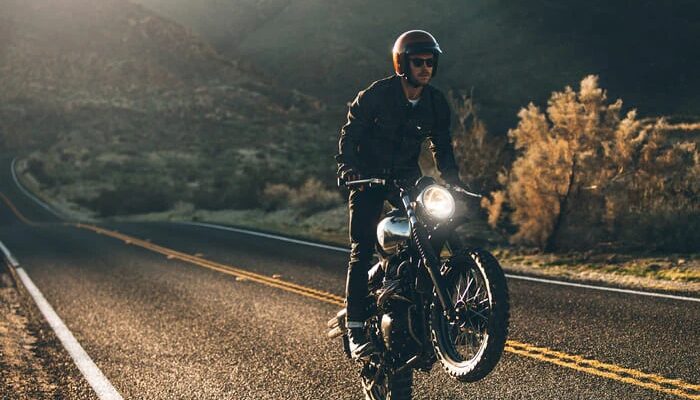
A motorcycle is a two-wheeled motorized vehicle powered by an internal combustion engine or electric motor. Unlike cars, motorcycles emphasize balance, rider control, and agility, making them uniquely engaging to operate.
Key components include:
-
Engine or motor
-
Frame and suspension
-
Two wheels with tires
-
Handlebars for steering
-
Seat and foot controls
Types of Motorcycles
Different riding needs have given rise to multiple motorcycle categories, each with distinct characteristics.
Street Motorcycles
Designed primarily for paved roads, these are the most common motorcycles.
-
Standard/Naked Bikes – Upright seating and balanced performance
-
Sport Bikes – High speed, aggressive riding posture
-
Cruisers – Low seat height, relaxed ergonomics
Off-Road Motorcycles
Built for rough terrain and unpaved surfaces.
-
Dirt Bikes – Lightweight and agile
-
Motocross Bikes – Optimized for racing tracks
-
Trail Bikes – Suitable for recreational off-road riding
Touring and Adventure Motorcycles
Focused on long-distance comfort and versatility.
-
Touring Bikes – Large engines, wind protection, luggage capacity
-
Adventure Bikes – Capable on highways and trails
Benefits of Riding a Motorcycle
Motorcycles offer practical and emotional advantages that cars often cannot match.
-
Fuel efficiency compared to most automobiles
-
Ease of parking in urban areas
-
Lower ownership costs in many regions
-
Enhanced riding experience and road awareness
For many riders, motorcycles also provide stress relief and a strong sense of community.
Motorcycle Safety Essentials
Safety is a critical part of responsible motorcycling. Proper gear and riding habits significantly reduce risk.
Essential Safety Gear
-
Helmet (full-face preferred)
-
Riding jacket with armor
-
Gloves for grip and protection
-
Over-the-ankle boots
-
Protective pants
Safe Riding Practices
-
Always stay visible to other drivers
-
Maintain proper lane positioning
-
Avoid aggressive riding
-
Keep a safe following distance
Motorcycle Maintenance Basics
Regular maintenance ensures performance, safety, and longevity.
Key checks include:
-
Tire pressure and tread condition
-
Engine oil level and quality
-
Brake pads and fluid
-
Chain or belt tension
-
Lights and indicators
Consistent maintenance prevents costly repairs and unexpected breakdowns.
The Rise of Electric Motorcycles
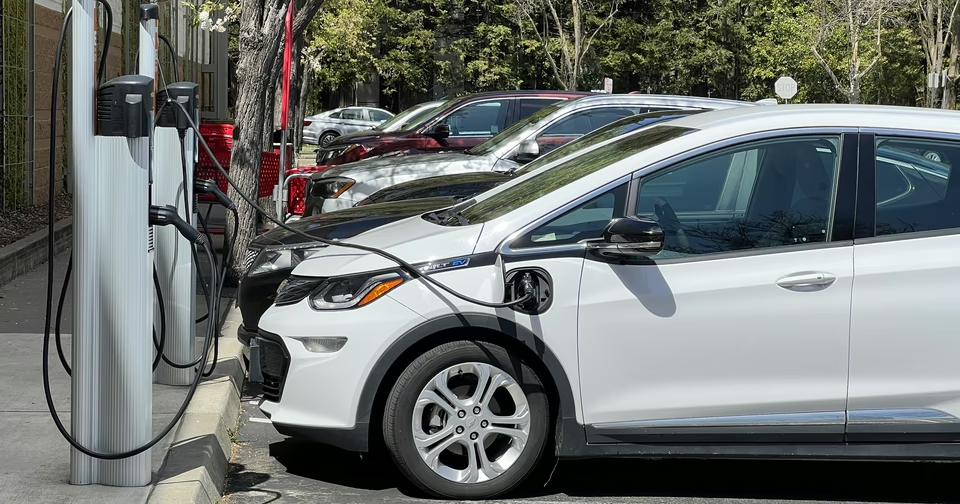
Electric motorcycles are gaining traction due to environmental concerns and technological advances. They offer instant torque, quiet operation, and reduced maintenance while eliminating fuel emissions. Although charging infrastructure is still developing, electric models are rapidly improving in range and performance.
Choosing the Right Motorcycle
Selecting the right motorcycle depends on:
-
Riding purpose (commute, touring, sport)
-
Skill level
-
Body ergonomics and comfort
-
Budget and maintenance costs
Beginners are often advised to start with mid-sized, manageable motorcycles before upgrading.
FAQs
1. Is riding a motorcycle harder than driving a car?
Motorcycling requires more balance and coordination, but with proper training, most people can learn safely.
2. What engine size is best for beginners?
Motorcycles between 300cc and 500cc are generally ideal for new riders.
3. How often should a motorcycle be serviced?
Routine servicing is recommended every 3,000–6,000 miles, depending on the model and usage.
4. Are motorcycles suitable for daily commuting?
Yes, especially in urban areas where traffic congestion and parking are concerns.
5. Do motorcycles require special licenses?
Most regions require a motorcycle endorsement or license in addition to a standard driving license.
6. How long does a motorcycle engine last?
With proper maintenance, many motorcycle engines can last 100,000 miles or more.
7. Are electric motorcycles good for long-distance riding?
They are improving rapidly, but long-distance touring still depends on charging availability and range.